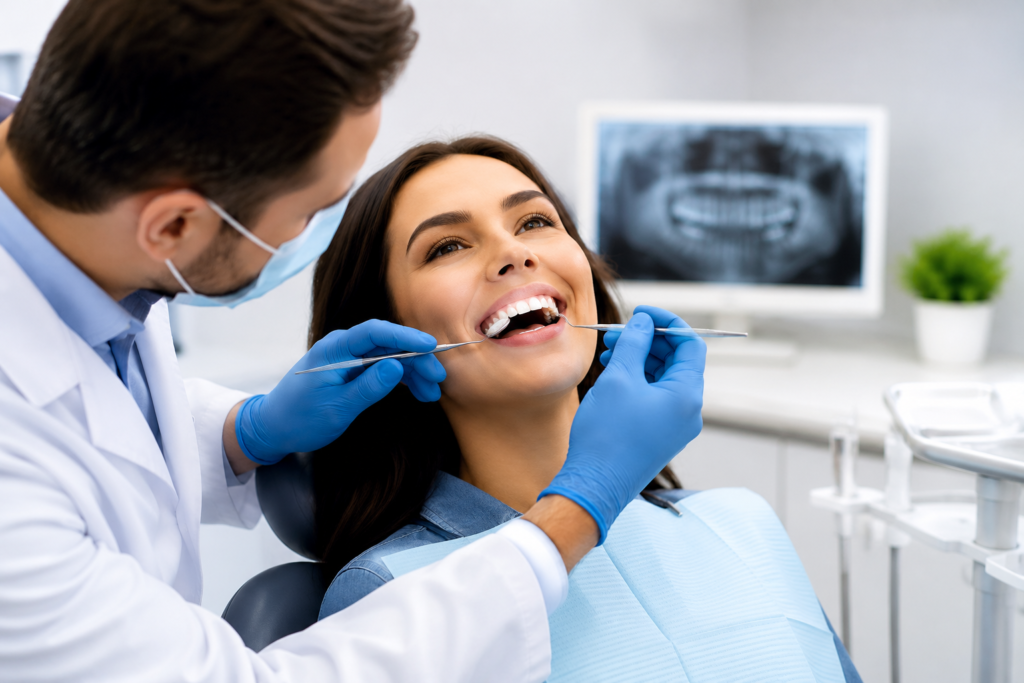
Many people visit a dentist only when they experience pain or discomfort. However, waiting until a dental problem becomes noticeable often leads to more complicated and expensive treatments. Regular dental check-ups play an important role in maintaining oral health and preventing issues before they become serious.
Routine dental visits allow dentists to identify potential concerns early, helping patients maintain healthy teeth and gums while avoiding unnecessary discomfort in the future.
Why Preventive Dental Care Matters
Oral health problems rarely appear overnight. Issues such as tooth decay, gum disease, plaque buildup, and enamel damage usually develop gradually over time.
Regular dental examinations help detect these problems at an early stage when treatment is simpler, less invasive, and more affordable.
Preventive care is one of the most effective ways to protect your smile and maintain long-term oral health.
Early Detection Saves Time and Money
Many dental conditions do not show obvious symptoms during the initial stages. A small cavity may not cause pain immediately, and early gum disease can often go unnoticed.
During routine check-ups, dentists can identify:
- Early tooth decay
- Gum inflammation
- Plaque and tartar buildup
- Tooth wear
- Bite issues
- Oral infections
Addressing these concerns early helps prevent extensive treatment later.
Professional Cleaning Improves Oral Health
Even with regular brushing and flossing, plaque can accumulate in hard-to-reach areas of the mouth. Over time, plaque hardens into tartar, which cannot be removed through brushing alone.
Professional dental cleaning helps:
- Remove plaque and tartar
- Reduce the risk of gum disease
- Improve breath freshness
- Maintain healthier gums
- Enhance overall oral hygiene
Regular cleaning is an essential part of preventive dental care.
Protecting Your Gums Is Just as Important as Protecting Your Teeth
Healthy gums provide the foundation for strong teeth. Gum disease is one of the leading causes of tooth loss in adults, yet it is often preventable with proper care.
Signs of gum problems may include:
- Bleeding while brushing
- Swollen gums
- Persistent bad breath
- Gum sensitivity
- Receding gums
Routine dental visits help monitor gum health and prevent more serious complications.
Monitoring Existing Dental Work
If you have fillings, crowns, bridges, braces, aligners, or dental implants, regular check-ups ensure that these treatments continue to function properly.
Dentists can identify wear, damage, or potential issues before they affect your oral health.
Building Healthy Habits for Life
Dental check-ups are not only about treatment. They are also an opportunity to receive professional guidance on maintaining good oral hygiene.
Your dentist can recommend:
- Proper brushing techniques
- Flossing methods
- Dietary advice
- Preventive care routines
- Oral hygiene products
Small improvements in daily habits can make a significant difference over time.
How Often Should You Visit a Dentist?
Most people benefit from a dental examination every six months. However, individuals with gum disease, orthodontic treatment, or specific dental concerns may require more frequent visits.
Your dentist can recommend a schedule based on your oral health needs.
Why Patients Choose Tooth Vitals
At Tooth Vitals Multispeciality Dental Clinic, we believe prevention is the foundation of a healthy smile. Our team focuses on early diagnosis, personalized care, and patient education to help individuals maintain strong teeth and healthy gums.
Using modern technology and patient-friendly treatment methods, we provide comprehensive dental care in a comfortable environment.
Conclusion
Regular dental check-ups are one of the simplest yet most effective ways to protect your oral health. By identifying problems early, maintaining healthy gums, and preventing future complications, routine dental visits help preserve your smile for years to come.
Investing in preventive dental care today can save time, discomfort, and treatment costs in the future. A healthy smile starts with consistent care and regular professional attention.
Frequently Asked Questions
1. Why are regular dental check-ups important?
Regular check-ups help identify dental problems early, preventing them from becoming more serious and expensive to treat.
2. How often should I have a dental check-up?
Most patients should visit a dentist every six months, although some may require more frequent visits.
3. Are dental cleanings necessary if I brush regularly?
Yes. Professional cleanings remove tartar and plaque that cannot be removed through brushing alone.
4. Can regular check-ups prevent tooth loss?
Routine examinations and preventive care help identify and manage issues before they lead to tooth loss.
5. What happens during a dental check-up?
A typical check-up includes an oral examination, assessment of teeth and gums, professional cleaning, and personalized oral health recommendations.