Author name: sdiptimayee240@gmail.com

Root Canal Treatment

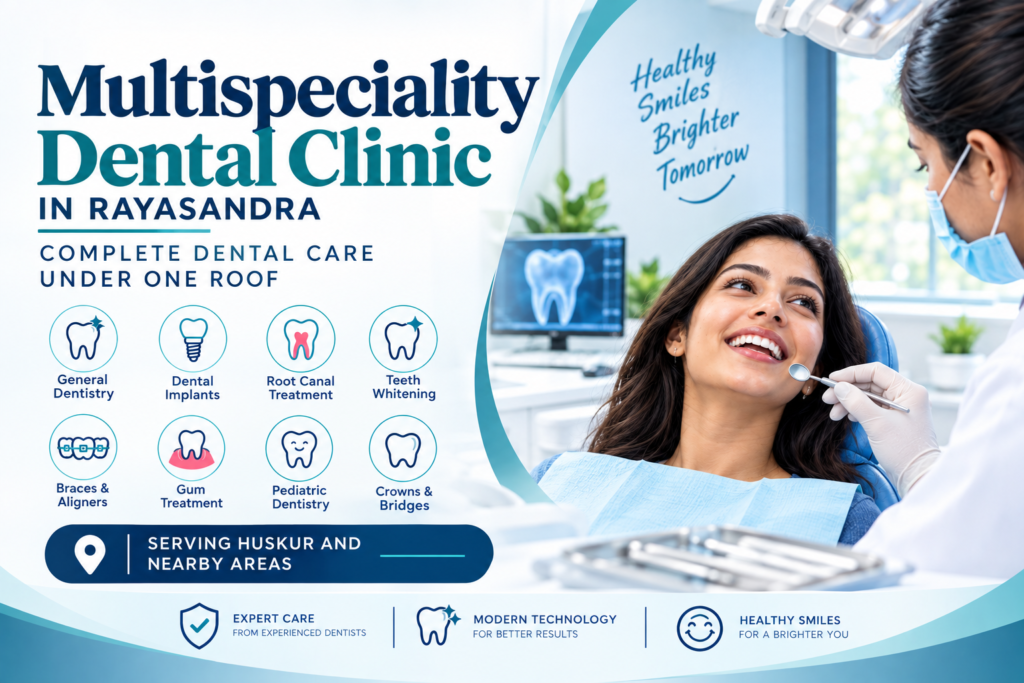
Multispeciality Dental Clinic in Rayasandra: Complete Dental Care Under One Roof

Taking care of your oral health becomes much easier when you have access to different dental treatments in one place. A multispeciality dental clinic in Rayasandra can provide patients with a convenient option for everything from routine dental check-ups and professional cleaning to restorative, cosmetic and preventive treatments. Instead of visiting different clinics for different dental concerns, patients can discuss their requirements with dental professionals and receive treatment according to their individual needs. Rayasandra and the surrounding areas have grown significantly, making convenient access to healthcare increasingly important for local residents. Having a dental clinic nearby can make regular check-ups, follow-up appointments and ongoing treatments easier to manage. Whether you need treatment for tooth pain, missing teeth, gum problems or want to improve your smile, a professional dental consultation can help you understand the available options. What Is a Multispeciality Dental Clinic? A multispeciality dental clinic brings together different areas of dentistry so that patients can receive care for a wide range of oral health concerns. Dental problems are not the same for everyone. One person may need a root canal, while another may require braces, dental implants, gum treatment or preventive care. A multispeciality approach allows treatment to be planned according to the patient’s specific dental condition. This type of dental care can also be useful for families because children, adults and older patients may have different oral healthcare requirements. Having multiple dental services available in one clinic can make the overall dental care experience more convenient and organized. Dental Treatments Available at a Multispeciality Clinic A comprehensive dental clinic can provide several treatments depending on the patient’s requirements. General dental care may include routine examinations, professional teeth cleaning and treatment of common problems such as cavities and tooth sensitivity. Regular examinations are important because some dental problems may not cause noticeable symptoms during their early stages. For patients experiencing severe tooth pain or infection, root canal treatment may be recommended after a proper dental examination. Root canal treatment is designed to treat infection or damage inside the tooth while helping preserve the natural tooth whenever appropriate. Getting dental problems assessed early can help prevent them from becoming more complicated. Dental Implants for Missing Teeth Missing teeth can affect more than just the appearance of your smile. Depending on the location of the missing tooth, it can also make chewing and everyday oral function more difficult. Dental implants are one option used to replace missing teeth and provide a stable foundation for an artificial tooth. However, dental implants are not automatically suitable for every patient. The dentist needs to evaluate factors such as oral health, jawbone condition and the overall treatment requirement before recommending an implant. A consultation at a multispeciality dental clinic in Rayasandra can help patients understand whether dental implants are an appropriate option for them. Braces and Aligners for Straighter Teeth Crooked or crowded teeth can make cleaning more difficult and may affect the appearance of a smile. Orthodontic treatment can help gradually move teeth into a more suitable position. Traditional braces and clear aligners are among the options that may be considered depending on the patient’s dental condition. The appropriate treatment varies from person to person. A dentist or orthodontic professional can examine the teeth and explain the available options, expected treatment duration and care requirements before beginning treatment. Gum Health Is Also Important Healthy teeth depend partly on healthy gums. Problems such as bleeding gums, swelling, redness and persistent bad breath should not simply be ignored. These symptoms can sometimes indicate gum-related problems that require professional evaluation. Regular dental check-ups and good oral hygiene can help maintain healthier gums. Professional cleaning may also be recommended when plaque or tartar has accumulated and cannot be effectively removed through regular brushing alone. Cosmetic Dentistry for a More Confident Smile Modern dentistry is not limited to treating dental problems. Cosmetic dental procedures can also help improve certain aspects of the appearance of your smile. Treatments such as professional teeth whitening and smile designing may be considered by patients who want to improve the appearance of their teeth. Before choosing a cosmetic procedure, it is important to have your teeth and gums examined. A dental professional can determine whether the treatment is appropriate and explain what results can realistically be expected. Dental Care for Children Children need dental care that is appropriate for their developing teeth and changing oral health needs. Early dental visits can help parents understand proper brushing techniques, dietary habits and other ways to support their child’s oral health. Pediatric dental care can also help identify developing problems at an earlier stage. Creating positive dental experiences during childhood may make regular dental visits more comfortable as children grow. Why Choose a Dental Clinic Near Rayasandra? Location can be an important factor when selecting a dental clinic. Dental treatments such as root canals, braces, implants and certain restorative procedures may require multiple appointments or follow-ups. Choosing a clinic that is conveniently located near your home or workplace can make these appointments easier to manage. For people living in and around Rayasandra, areas such as Gattahalli, Hosa Road, Huskur and Electronic City are also within the surrounding locality. A conveniently located dental clinic can make it easier to maintain regular dental appointments instead of postponing treatment because of travel or scheduling difficulties. What Should You Consider Before Choosing a Dental Clinic? When looking for a multispeciality dental clinic in Rayasandra , it is useful to look beyond location alone. Consider the range of treatments provided, the qualifications and experience of the dental professionals, the clinic’s approach to diagnosis and treatment planning, hygiene practices and how clearly treatment options are explained. A good dental consultation should give you an opportunity to discuss your concerns and understand the recommended treatment. Asking questions about the procedure, expected appointments, aftercare and available alternatives can help you make an informed decision about your dental care. Regular Dental Visits Can Protect Your Smile Many people visit a dentist only when they develop
Uncategorized

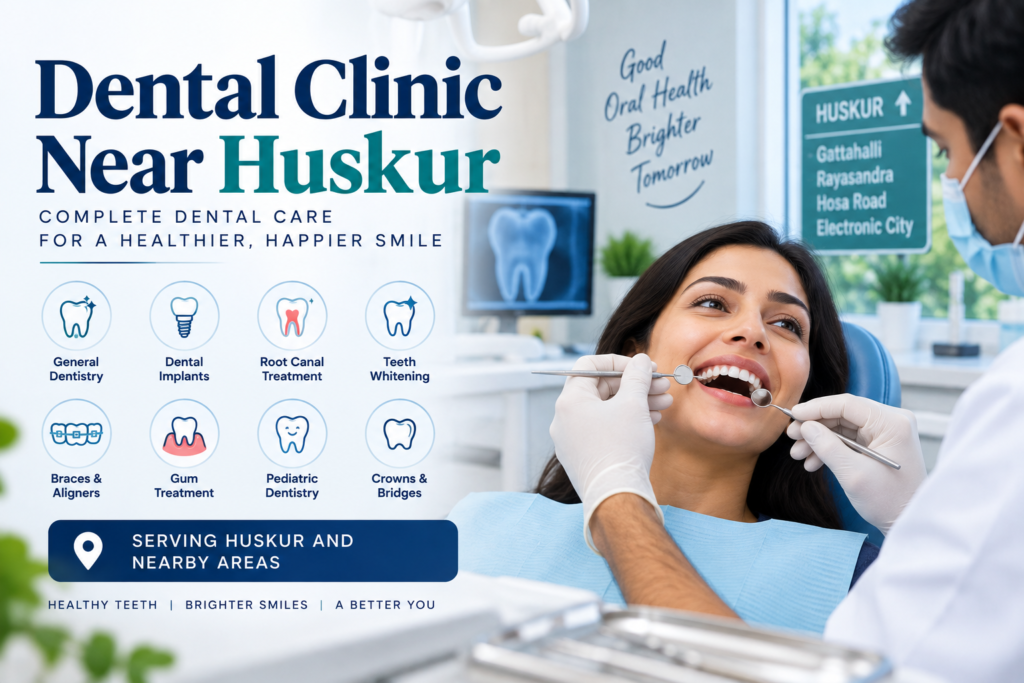
Dental Clinic Near Huskur: Complete Guide to Dental Care

Finding a reliable dental clinic near Huskur can make regular dental care much easier, especially for families and individuals living around Huskur, Gattahalli, Rayasandra, Hosa Road and nearby areas. Regular dental visits are not only important when you have tooth pain but also help identify dental problems at an early stage. From routine check-ups and professional cleaning to root canal treatment, dental implants, braces and gum care, having access to comprehensive dental services can help you maintain your oral health for the long term. Huskur and the surrounding areas have become increasingly convenient for residents looking for healthcare services close to home. Tooth Vitals Multispeciality Dental Clinic is located at Huskur Y Junction towards Nirmala Vidyalaya Road, Gattahalli, and serves patients from Huskur and nearby localities. The clinic provides a range of dental treatments with a focus on personalized treatment planning and comfortable patient care. Why Regular Dental Care Is Important Many dental problems develop gradually without causing noticeable symptoms in the beginning. A small cavity, early gum infection or minor tooth damage can become more complicated when treatment is delayed. Regular dental check-ups allow a dentist to examine your teeth and gums, identify possible problems and recommend suitable treatment before they become more serious. Professional dental care is also important for maintaining good oral hygiene. Brushing and flossing at home are essential, but they may not completely remove plaque and tartar from difficult-to-reach areas. Professional cleaning can help maintain cleaner teeth and healthier gums while supporting your everyday oral hygiene routine. Dental Treatments Available Near Huskur When choosing a dental clinic near Huskur, it is useful to consider whether the clinic provides different types of treatment according to your dental needs. Tooth Vitals offers several general, restorative, cosmetic and preventive dental services, including root canal treatment, dental implants, teeth whitening, tooth extraction, braces and aligners, smile designing, pediatric dentistry, gum treatment, crowns and bridges. Root canal treatment may be recommended when the inner part of a tooth becomes infected or severely damaged. Instead of removing the affected tooth immediately, RCT can help preserve the natural tooth when appropriate. Early consultation is particularly useful if you experience persistent toothache, sensitivity, swelling or discomfort while chewing. For people with missing teeth, dental implants can provide a long-term tooth replacement option. Dental implant treatment involves placing an implant into the jawbone and restoring it with an artificial tooth. The suitability of implants depends on individual oral health, bone condition and the dentist’s assessment, so a consultation is important before deciding on treatment. Dental Care for the Whole Family A family dental clinic can make oral healthcare more convenient because different members of the family may have different dental requirements. Adults may need treatment for cavities, gum problems or missing teeth, while children may require preventive dental care and guidance about proper brushing habits. Pediatric dentistry focuses on maintaining children’s oral health and helping them develop good dental habits from an early age. Regular dental visits can also help children become more comfortable with dental environments and allow developing dental concerns to be monitored. How to Choose a Dental Clinic Near Huskur Choosing a dental clinic involves more than simply looking at its location. Patients should consider the range of services available, the experience and qualifications of the dental professional, the approach to diagnosis and treatment planning, hygiene standards and the overall comfort provided during treatment. It is also useful to select a clinic where the dentist clearly explains the treatment options and answers questions before starting a procedure. Understanding what a treatment involves, why it has been recommended and what aftercare may be required can make the dental experience more comfortable and informed. For patients around Huskur, having a clinic located within the local area can also make follow-up appointments more convenient. Tooth Vitals lists Huskur along with Rayasandra, Electronic City, Gattahalli, Hosa Road, Dodamangala and Choodasandra among the areas it serves. When Should You Visit a Dentist? You do not necessarily have to wait until you experience severe tooth pain before visiting a dentist. Regular examinations can help identify dental problems at an earlier stage. You should consider scheduling a dental appointment if you notice persistent tooth pain, sensitivity, bleeding gums, swelling, bad breath that does not improve with regular cleaning, broken teeth or difficulty chewing. A dental visit is also appropriate when you have a missing tooth and want to understand your replacement options, or when you are considering cosmetic treatments such as teeth whitening or smile designing. Getting professional advice can help determine which treatment is suitable for your particular condition. Comfortable and Personalized Dental Treatment A positive dental experience depends on more than the treatment itself. Clear communication, accurate diagnosis and an individualized treatment plan can help patients understand their options and feel more comfortable throughout the process. Tooth Vitals states that its approach includes personalized treatment plans, modern technology and patient-focused care. The clinic is also listed at the Huskur Y Junction location in Gattahalli, making it a local option for people searching for dental care around Huskur. Conclusion Finding a dental clinic near Huskur can make it easier to stay consistent with your oral healthcare. From routine check-ups and professional cleaning to root canal treatment, dental implants, orthodontic care, gum treatment and pediatric dentistry, choosing a clinic that can address different dental needs can make ongoing care more convenient. If you live in Huskur or nearby areas such as Gattahalli, Rayasandra, Hosa Road or Electronic City, regular dental visits can help you maintain healthier teeth and gums and address problems before they become more complicated. A professional dental consultation is the right starting point whenever you have a dental concern or need advice about a particular treatment. Frequently Asked Questions 1. Where can I find a dental clinic near Huskur? Tooth Vitals Multispeciality Dental Clinic is located at Huskur Y Junction towards Nirmala Vidyalaya Road, Gattahalli, Huskur, Bengaluru. The clinic provides various dental treatments for patients from Huskur and surrounding areas. 2. What dental treatments

Uncategorized

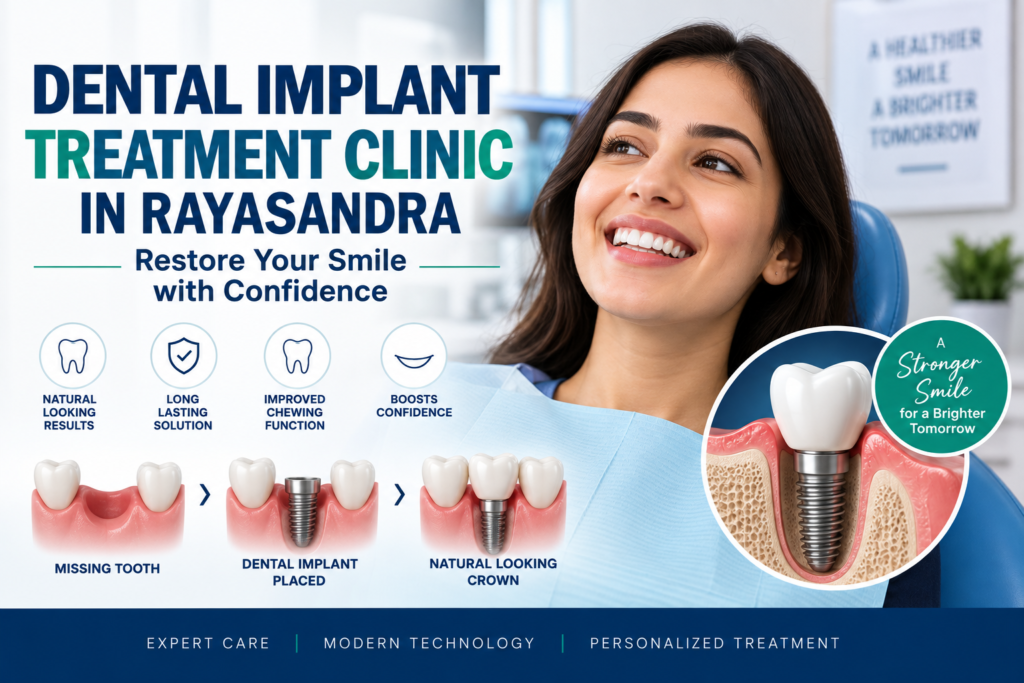
Best Dental Implant Treatment Clinic in Rayasandra

Missing a tooth is more than just a gap in your smile. It changes the way you chew, the way you speak, and honestly, the way you feel about smiling in photos. If you’ve been putting off doing something about it because the idea of dental implants sounds complicated, expensive, or painful — you’re not alone, and you’re also not stuck with those assumptions. If you live in or around Rayasandra, you don’t need to travel across Bangalore to find quality implant care. Tooth Vitals Multispeciality Dental Clinic offers advanced, personalised dental implant treatment right in your neighbourhood, led by Dr. Prashant Kumar (MDS), an Oral & Maxillofacial Prosthodontist and Implantologist with over 15 years of experience. In this blog, we’ll walk you through everything you need to know before choosing a dental implant clinic — what implants actually involve, what makes a clinic trustworthy, and why patients from Rayasandra, Electronic City, Gattahalli, Hosa Road and nearby areas are choosing Tooth Vitals for their smile restoration. What Are Dental Implants and Why Do They Matter? A dental implant is a small titanium post that’s placed into your jawbone to act as an artificial tooth root. Once it fuses with the bone — a process called osseointegration — a custom-made crown is fixed on top, giving you a replacement tooth that looks, feels and functions like a natural one. Unlike dentures or bridges, implants don’t rely on neighbouring teeth for support. They also help preserve your jawbone structure, which naturally starts to shrink once a tooth is lost. That means implants aren’t just about appearance — they can also play an important role in supporting your long-term oral health. Signs You Might Need a Dental Implant You don’t have to be missing several teeth to consider an implant. Here are some common situations where dental implants may be worth considering: ✓ You’ve lost a tooth due to injury, decay, or gum disease. ✓ You’re tired of dealing with a loose or uncomfortable denture. ✓ A bridge is affecting or putting pressure on your adjacent healthy teeth. ✓ You feel self-conscious about gaps when speaking or smiling. ✓ You’re experiencing difficulty chewing on one side of your mouth. If any of this sounds familiar, it’s worth getting a proper dental evaluation rather than simply living with the discomfort. Why Tooth Vitals Is the Right Choice for Dental Implants in Rayasandra There’s no shortage of dental clinics around Bangalore, but here’s what genuinely sets Tooth Vitals apart when it comes to implant treatment. 1 Treatment Led by a Specialist, Not a Generalist Dental implants aren’t a routine filling — they require surgical precision and prosthodontic expertise. At Tooth Vitals, implants are handled by Dr. Prashant Kumar, a qualified Oral & Maxillofacial Prosthodontist and Implantologist. That specialisation matters because implant placement and the final crown design both need to be planned together for a result that lasts. 2 Modern Technology for Accurate, Comfortable Procedures The clinic uses advanced diagnostic tools to assess bone density and plan implant placement with precision, which can help reduce surgical time, minimise discomfort, and support predictable long-term treatment outcomes. 3 Transparent, Honest Pricing One of the biggest hesitations people have about implants is cost. Tooth Vitals believes in transparent pricing with no hidden charges, so you know exactly what you’re paying for before treatment begins. 4 Personalised Treatment Plans No two mouths are the same, and implant planning isn’t one-size-fits-all. Whether you need a single implant, multiple implants, or a full-mouth restoration, your treatment is tailored to your specific bone structure, oral health, and budget. 5 Comfortable, Patient-First Environment Dental anxiety is real, and it’s one of the top reasons people delay treatment. Patients consistently mention how clearly the treatment is explained and how comfortable the overall experience feels — something that makes a real difference for a procedure people are often nervous about. 6 Convenient Location for Rayasandra Residents You don’t need to fight Bangalore traffic to reach a specialist. Tooth Vitals is easily accessible for patients from Rayasandra and surrounding areas like Electronic City, Gattahalli, Hosa Road, Huskur, Dodamangala, and Choodasandra. The Dental Implant Treatment Process at Tooth Vitals Here’s a general idea of what to expect when you visit Tooth Vitals for implant treatment: 1 Initial Consultation & Examination A thorough oral check-up, including X-rays or scans, helps evaluate your jawbone and overall oral health. 2 Personalised Treatment Planning The doctor discusses the number of implants needed, expected timeline and cost, while answering your questions before treatment begins. 3 Implant Placement The titanium implant is surgically placed into the jawbone under local anaesthesia to keep the procedure comfortable. 4 Healing & Osseointegration Over the following weeks, the implant gradually fuses with the surrounding bone as part of the natural healing process. 5 Crown Placement Once healing is complete, a custom-crafted crown is fixed onto the implant, designed to complement the colour and shape of your natural teeth. 6 Follow-Up Care Regular check-ups help ensure the implant is functioning well and your overall oral health stays on track. How Much Do Dental Implants Cost? Implant costs can vary depending on several factors, so there is no single price that applies to every patient. The overall cost may depend on: Number of implants required Type and quality of implant material used Whether bone grafting is needed beforehand The complexity of your individual case Rather than guessing based on generic online figures, it’s best to get an in-person consultation for an accurate treatment estimate. Tooth Vitals offers transparent pricing so you can plan your treatment without unexpected financial surprises. Caring for Your Dental Implant After Treatment Dental implants are generally low-maintenance once healed, but consistent oral care plays an important role in keeping them healthy for the long term. Brush & Floss Brush and floss regularly, just as you would with your natural teeth. Protect the Implant Avoid biting down on very hard foods immediately after the procedure while the area is healing. Regular Check-Ups Attend regular dental

Uncategorized

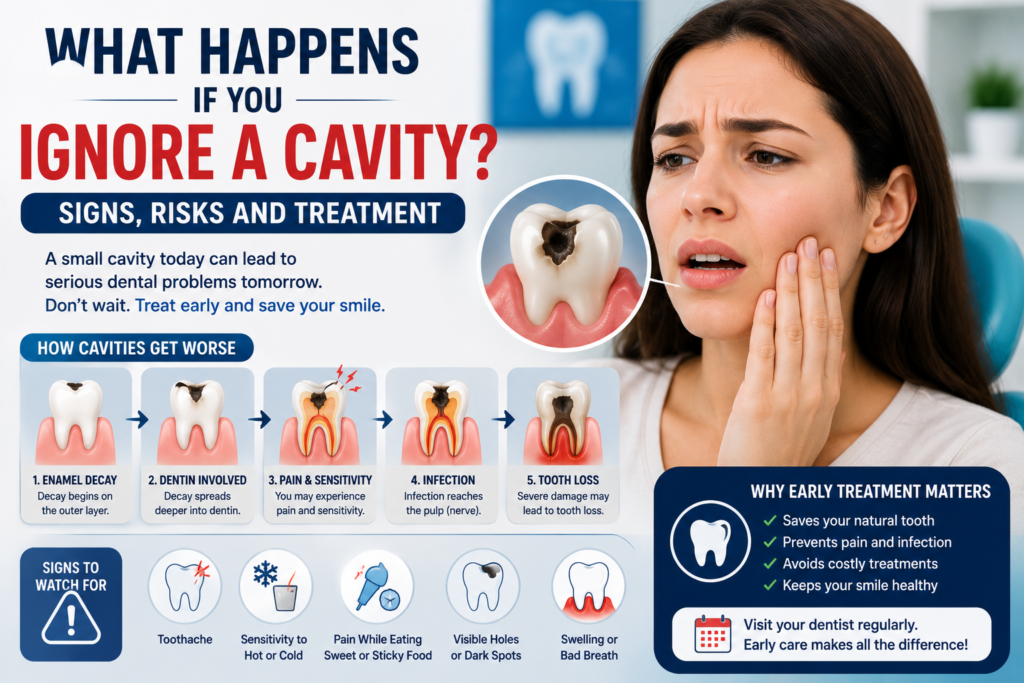
What Happens If You Ignore a Cavity? Signs, Risks and Treatment

A small cavity may not seem like a serious dental problem, especially when it does not cause any pain. Many people notice a tiny dark spot on a tooth or occasional sensitivity and decide to wait until the problem becomes more noticeable. The problem is that tooth decay usually does not stop on its own. Without appropriate treatment, a small cavity can gradually become deeper and eventually affect the inner part of the tooth. Understanding what happens when a cavity is left untreated can help you make better decisions about your oral health. Early dental care is often simpler and can help protect more of your natural tooth structure. What Is a Dental Cavity? A cavity is a damaged area that develops in a tooth because of tooth decay. The process usually begins when bacteria in dental plaque interact with sugars from food and produce acids. These acids can gradually weaken the enamel, creating a small area of damage. In the beginning, a cavity may not cause any noticeable symptoms. This is one reason regular dental examinations are important. A dentist can sometimes identify early decay before it develops into a painful problem. Why early detection matters Cavities may develop without causing pain in their early stages. Regular dental check-ups can help identify tooth decay before it progresses and requires more extensive treatment. Why Can a Small Cavity Become a Bigger Problem? Tooth decay tends to progress when it is not treated. Once the protective enamel is damaged, decay can move deeper into the tooth. It may eventually reach the dentin, the softer layer underneath the enamel, and later affect the pulp where the nerves and blood vessels are located. As the decay progresses, you may begin to experience sensitivity or pain. At this stage, treatment may be more extensive than it would have been if the cavity had been detected earlier. Don’t wait for pain A tooth cavity does not always cause pain at the beginning. If you notice a dark spot, sensitivity, food getting stuck around a tooth, or any change in your tooth, consider having it examined by a dental professional. Early Signs of Tooth Decay A cavity does not always cause obvious pain at first. Paying attention to changes in your teeth can help you seek treatment sooner. Sensitivity when eating hot, cold, or sweet foods A visible white, brown, or dark spot on a tooth Food frequently getting stuck in one area Mild discomfort while chewing Toothache that comes and goes These symptoms can have different causes, so a professional examination is necessary to determine whether tooth decay is responsible. What Happens If a Cavity Is Left Untreated? When a cavity is ignored, the decay can continue spreading through the tooth. A problem that could initially be managed with a simple filling may eventually require more complex treatment. Once decay reaches the pulp, the tooth may become infected. This can cause intense or persistent pain, sensitivity, swelling, or discomfort around the affected tooth. In such cases, a Root Canal Treatment may be required to remove the infection and preserve the natural tooth. When Root Canal Treatment May Be Needed If tooth decay reaches the inner pulp and causes infection, Root Canal Treatment may be recommended to remove the infected tissue, clean the inside of the tooth, and help preserve the natural tooth. If the tooth becomes severely damaged and cannot be restored, extraction may sometimes be considered. This is why treating cavities early is generally preferable to waiting until symptoms become severe. Can a Cavity Cause Tooth Pain? Yes, but not every cavity causes pain immediately. Early decay can remain unnoticed for some time. As the cavity becomes deeper and approaches the inner layers of the tooth, sensitivity and pain become more likely. Pain while eating, especially when biting or consuming very hot, cold, or sweet foods, can be a sign that the tooth needs professional attention. Remember: The absence of pain does not necessarily mean that a tooth is healthy. Some cavities can develop without obvious symptoms in their early stages. Can a Cavity Lead to an Infection? An untreated cavity can eventually allow bacteria to reach the pulp inside the tooth. When this happens, an infection may develop. A dental infection can sometimes cause swelling around the tooth, facial swelling, a bad taste in the mouth, or fever. These symptoms should not be ignored. Prompt professional dental care is important when an infection is suspected. When to Seek Prompt Dental Care Swelling, severe or persistent pain, fever, or a bad taste in the mouth may be signs of infection and should be assessed by a dental professional. How Are Cavities Treated? The appropriate treatment depends on how far the tooth decay has progressed. If the cavity is detected early and enough healthy tooth structure remains, the dentist may remove the decayed portion and restore the tooth with a filling. Dental Filling When decay is limited and the inner pulp has not been affected, the decayed portion may be removed and the tooth restored with a filling. Root Canal Treatment For deeper decay that has reached the pulp, root canal treatment may be recommended to clean and seal the affected tooth. Dental Crown When a tooth has lost significant structure, a dental crown may provide additional protection after appropriate treatment. This is why there is no single treatment for every cavity. Your dentist needs to examine the tooth and determine the extent of the decay before recommending the right option. Why Early Cavity Treatment Is Better One of the biggest advantages of treating tooth decay early is that it can help preserve more of the natural tooth. Early treatment may also reduce discomfort and prevent the need for more complicated procedures. Instead of waiting for a toothache to become severe, regular dental check-ups can help identify cavities when they are still small and easier to manage. Early care can make a difference. Identifying and treating decay before it progresses may help preserve more

Uncategorized

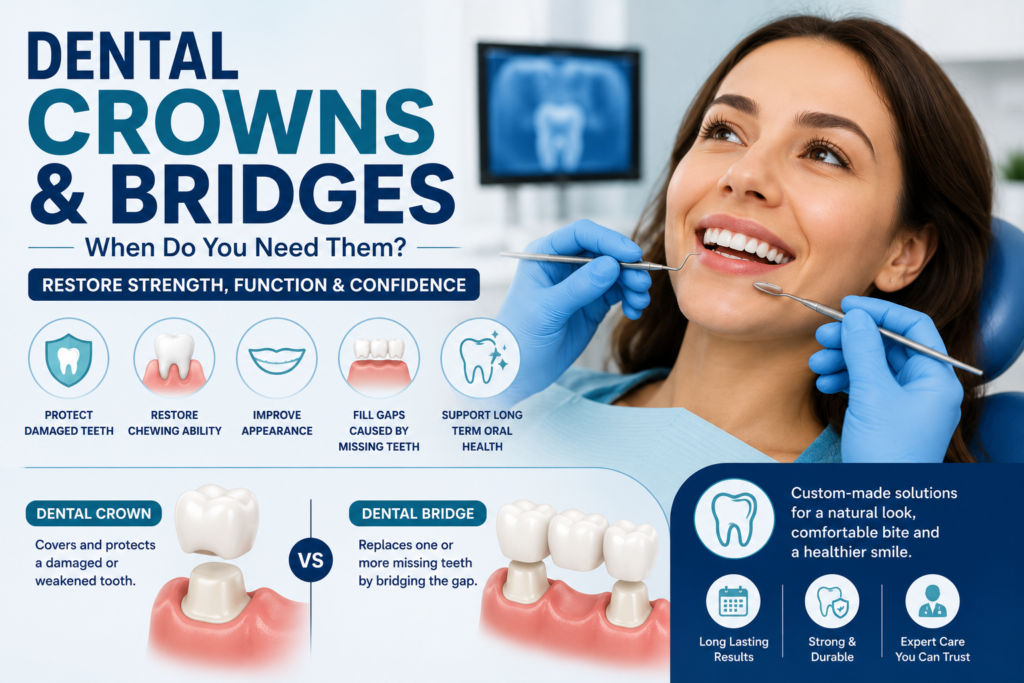
Dental Crowns and Bridges: When Do You Need Them?

Dental Crowns and Bridges: Restoring Damaged and Missing Teeth A damaged, weakened, or missing tooth can affect much more than the appearance of your smile. It can make chewing uncomfortable, affect the way you speak, and sometimes cause neighbouring teeth to shift. Fortunately, modern restorative dentistry offers several ways to restore the function and appearance of damaged or missing teeth. Dental crowns and bridges are two commonly used restorative treatments that can help bring back the strength, function, and natural appearance of your smile. Although both are used to restore teeth, they serve different purposes and are recommended depending on your individual dental condition. What Is a Dental Crown? A dental crown is a custom-made restoration that covers a damaged or weakened tooth. It is designed to fit over the existing tooth and restore its shape, strength, and appearance. Crowns are often recommended when a tooth has been significantly damaged by decay, cracks, injury, or after a root canal treatment. In such situations, a filling may not provide enough support to protect the remaining tooth structure. A well-designed crown can help the tooth function normally while also blending naturally with the surrounding teeth. When Might You Need a Dental Crown? A crown may be recommended when a tooth has lost a substantial amount of its natural structure. For example, a tooth that has undergone Root Canal Treatment may require additional protection because it can become more vulnerable to fracture. Crowns can also be used for teeth that are severely worn, cracked, heavily filled, or affected by extensive decay. In some cases, they are also used to improve the appearance of a damaged or discoloured tooth. The dentist will examine the tooth carefully before recommending a crown and determine whether it can be restored successfully. What Is a Dental Bridge? A dental bridge is a restoration used to replace one or more missing teeth. It generally consists of an artificial tooth, known as a pontic, supported by crowns attached to neighbouring teeth or other supporting structures. When a tooth is missing, the surrounding teeth can gradually move into the empty space. This may affect your bite and make cleaning more difficult. A dental bridge can fill the gap and help restore a more balanced smile and chewing function. When Is a Dental Bridge Recommended? A dental bridge may be considered when one or more teeth are missing and there are suitable teeth or structures available to support the restoration. Replacing a missing tooth is not only about appearance. Missing teeth can affect chewing and may change how pressure is distributed across the remaining teeth. Restoring the space can help maintain better dental function and make everyday activities such as eating more comfortable. Your dentist will assess the condition of the surrounding teeth, gums, and bone before deciding whether a bridge is appropriate. Dental Crowns vs Dental Bridges Although crowns and bridges are both restorative treatments, their purpose is different. A crown generally restores and protects an existing tooth, while a bridge replaces a missing tooth or teeth by filling the gap between neighbouring teeth or supporting structures. Dental Crown A crown covers and protects a damaged or weakened existing tooth while restoring its shape, strength, function, and appearance. Dental Bridge A bridge replaces one or more missing teeth by filling the gap and using suitable supporting teeth or structures. The right option depends on factors such as the condition of your teeth, the number of missing teeth, your gum health, bite, and overall oral health. A professional dental examination is therefore important before choosing a treatment. What Are the Benefits of Crowns and Bridges? Restorative dental treatments can provide both functional and cosmetic benefits. A properly designed crown can protect a weakened tooth and allow you to use it more comfortably. A bridge can fill a visible gap and help restore normal chewing. Restore damaged or missing teeth Improve chewing function Support weakened teeth Improve the appearance of your smile Maintain a more balanced bite The long-term success of either treatment also depends on good oral hygiene and regular dental care. What Happens During the Treatment? The treatment process depends on whether you need a crown or bridge and on the condition of your teeth. Your dentist will first examine your mouth and may take dental X-rays or other diagnostic images if required. 1 Dental Examination Your dentist examines your teeth, gums, bite, and surrounding structures to determine the most appropriate treatment. 2 Crown Treatment For a crown, the affected tooth is prepared so that the restoration can fit properly. An impression or digital scan is then used to create a custom restoration. 3 Bridge Treatment For a bridge, the supporting teeth are assessed and prepared when necessary. The bridge is then designed to fit the space naturally and restore the function of the missing tooth. 4 Final Fitting Once the restoration is ready, it is carefully fitted and checked for comfort, appearance, and bite. Your dentist will explain each stage before treatment so you know what to expect. How to Care for Dental Crowns and Bridges Crowns and bridges are designed to be durable, but they still require proper care. They should be cleaned just like natural teeth because bacteria and plaque can accumulate around the restoration and gum line. Brushing twice a day, cleaning between the teeth, and attending regular dental check-ups are important for maintaining the health of both your restoration and the surrounding teeth. It is also sensible to avoid using your teeth to bite extremely hard objects, as excessive force can damage natural teeth as well as dental restorations. How Long Do Crowns and Bridges Last? The lifespan of a crown or bridge varies from person to person. Factors such as oral hygiene, biting forces, gum health, diet, and regular dental care can all influence how long the restoration remains in good condition. With proper care and regular dental examinations, crowns and bridges can provide long-term service. Your dentist can also check the condition of

Teeth Whitening

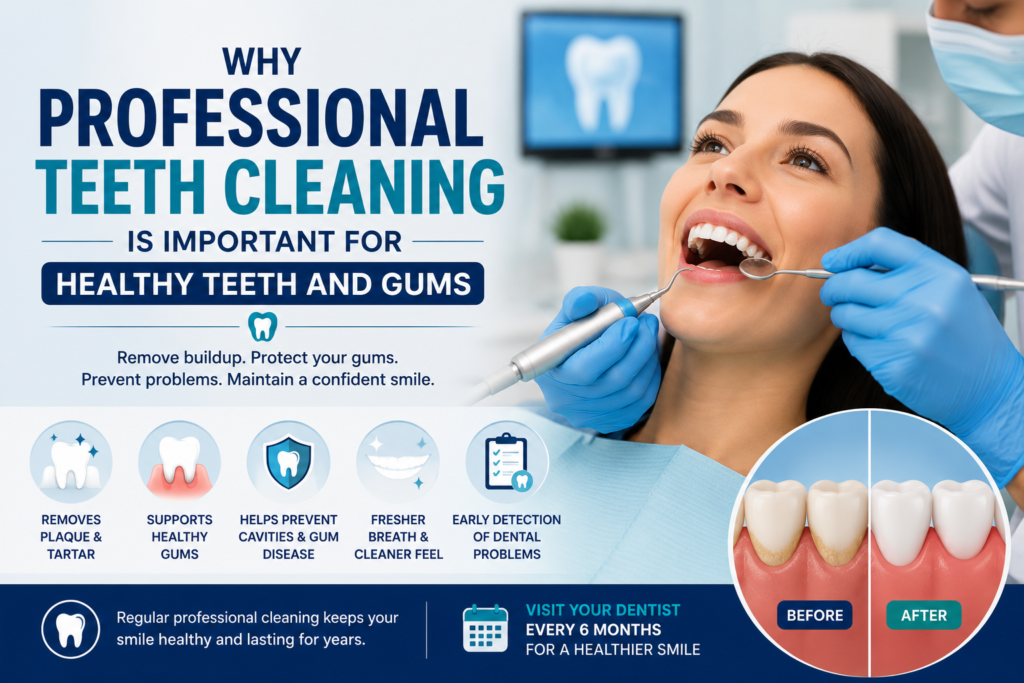
Why Professional Teeth Cleaning Is Important for Healthy Teeth and Gums

Brushing and flossing every day are essential for maintaining good oral hygiene, but they cannot always remove every bit of plaque from your teeth. Over time, plaque can build up in areas that are difficult to clean and eventually harden into tartar. Once tartar forms, it cannot be removed effectively with a regular toothbrush. This is where professional teeth cleaning becomes an important part of preventive dental care. A professional cleaning helps remove accumulated plaque and tartar, keeps your gums healthier, and allows your dentist to identify potential dental problems at an early stage. What Is Professional Teeth Cleaning? Professional teeth cleaning is a routine dental procedure performed by a dental professional to remove plaque, tartar, and surface stains from the teeth. The process generally involves examining the teeth and gums, carefully removing deposits, and polishing the teeth to leave the mouth feeling cleaner and fresher. The treatment is different from everyday brushing because dental professionals can clean areas that are difficult to reach with a toothbrush or floss. Depending on your oral health, your dentist may also recommend additional cleaning or gum care. Why Does Plaque Turn Into Tartar? Plaque is a sticky layer of bacteria that naturally develops on the teeth. When plaque is not removed properly, it can gradually harden and become tartar. Tartar can collect around the gum line and create an environment where bacteria thrive. Regular brushing and flossing help control plaque, but once tartar has formed, professional removal is usually necessary. Leaving tartar untreated may contribute to gum inflammation and other oral health problems. Professional Cleaning Helps Protect Your Gums Healthy gums are essential for supporting your teeth. When plaque and tartar remain around the gum line, they can irritate the gums and cause redness, swelling, and bleeding. If the problem continues, it may progress into gum disease. Professional teeth cleaning helps reduce the buildup responsible for gum irritation. Combined with proper home care and regular dental check-ups, it can play an important role in maintaining healthy gums. It Can Help Prevent Cavities Plaque contains bacteria that produce acids capable of damaging tooth enamel. If plaque remains on the teeth for long periods, the risk of tooth decay can increase. Professional cleaning removes deposits from areas that may be missed during regular brushing. While cleaning alone cannot prevent every cavity, it is an important part of a broader preventive dental care routine. What Happens During a Professional Teeth Cleaning? A typical dental cleaning begins with an examination of your teeth and gums. The dental professional then removes plaque and tartar deposits using appropriate instruments. Surface stains may also be polished away, leaving the teeth feeling smoother and cleaner. The procedure is generally straightforward and does not take very long. Some people may experience mild sensitivity, particularly if they have significant tartar buildup or sensitive gums, but your dental team can guide you through the process comfortably. How Often Should You Get Your Teeth Professionally Cleaned? There is no single cleaning schedule that works for everyone. Many people benefit from professional cleaning every six months as part of their regular dental care. However, patients with gum disease, heavy tartar buildup, orthodontic appliances, or other dental concerns may need cleaning more frequently. Your dentist can recommend an appropriate schedule after examining your teeth and gums. Signs You May Need a Professional Cleaning Sometimes plaque and tartar buildup can be visible, while other times it may go unnoticed. You may benefit from a dental cleaning if you notice: These signs do not always mean that you need extensive treatment, but they are good reasons to schedule a dental examination. Professional Cleaning Is Not a Replacement for Daily Brushing A dental cleaning should complement your everyday oral hygiene rather than replace it. Brushing twice a day, cleaning between your teeth, maintaining a balanced diet, and drinking enough water are all important for keeping your mouth healthy between dental visits. Good home care also makes professional cleaning easier by reducing the amount of plaque that accumulates over time. Who Can Benefit From Professional Teeth Cleaning? Professional cleaning can benefit people of different ages. Children may need preventive dental care to develop healthy oral hygiene habits, while adults can benefit from regular cleaning to control plaque, tartar, and gum problems. People who have braces, dental crowns, bridges, or other dental work may also require special attention to keep difficult-to-clean areas healthy. Your dentist can recommend the right approach based on your individual needs. Why Preventive Dental Care Matters Many dental problems become more difficult to manage when they are left untreated. Regular cleaning and dental examinations provide an opportunity to identify early signs of cavities, gum problems, or other concerns before they become more serious. Preventive care can also help you understand what is happening inside your mouth and make better decisions about your daily oral hygiene. Conclusion Professional teeth cleaning is an important part of maintaining healthy teeth and gums. While daily brushing and flossing remain the foundation of good oral hygiene, professional cleaning helps remove plaque and tartar that regular home care may not be able to eliminate completely. At Tooth Vitals Multispeciality Dental Clinic, patients can receive personalized preventive dental care along with guidance on maintaining good oral health at home. FAQs 1. Is professional teeth cleaning painful? Most professional teeth cleanings are comfortable. Some patients may experience mild sensitivity, especially when there is significant tartar buildup or gum inflammation. 2. How often should I get my teeth professionally cleaned? Many people benefit from a cleaning every six months, but the ideal frequency depends on your oral health and your dentist’s recommendation. 3. Can professional cleaning whiten my teeth? Professional cleaning can remove surface stains caused by foods and drinks, which may make teeth appear cleaner and brighter. It is different from professional teeth whitening, which is specifically designed to lighten tooth colour. 4. Can teeth cleaning prevent gum disease? Regular professional cleaning can help control plaque and tartar, two major contributors to gum problems. Maintaining

Uncategorized

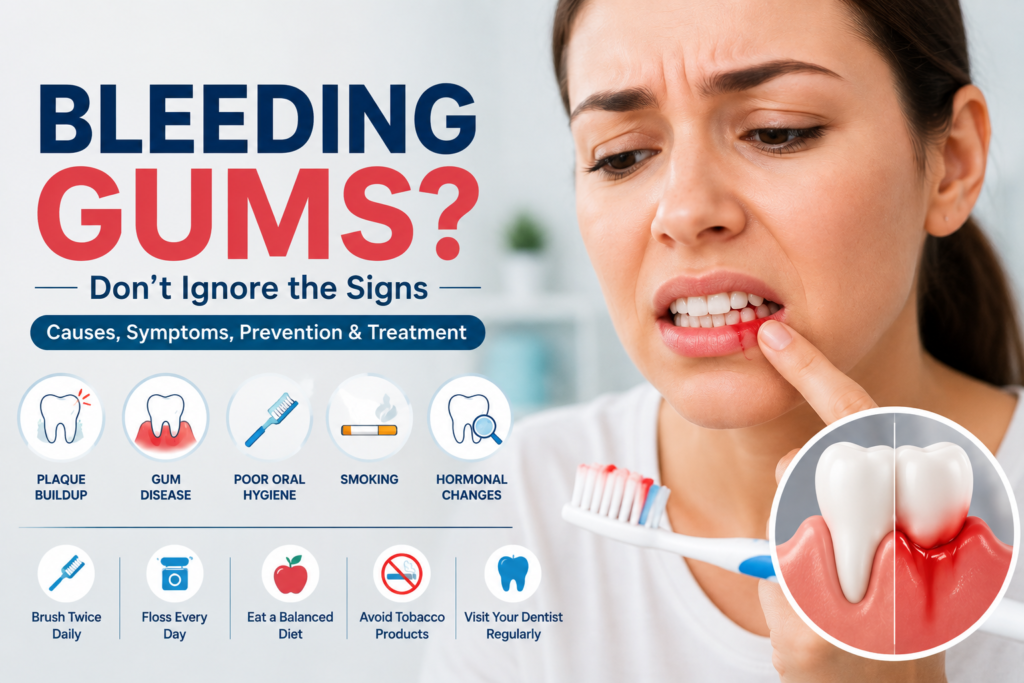
Bleeding Gums: Causes, Symptoms, Prevention and Treatment

Oral Health Awareness Why Are My Gums Bleeding When I Brush or Floss? Noticing blood while brushing or flossing can be worrying, especially when it happens regularly. Although occasional bleeding may seem like a minor issue, persistent bleeding gums should not be ignored. In many cases, bleeding can be an early sign that your gums need more attention or professional dental care. Healthy gums are an important part of good oral health because they support and protect your teeth. Understanding why gums bleed and knowing when to seek treatment can help prevent a small problem from developing into a more serious dental condition. Important: If your gums bleed frequently while brushing or flossing, it is worth discussing the problem with a dental professional rather than ignoring it. 01 What Causes Bleeding Gums? One of the most common reasons for bleeding gums is plaque buildup along the gum line. Plaque contains bacteria that can irritate the gums and cause inflammation. When it is not removed properly through regular brushing and flossing, it can eventually harden into tartar. Bleeding can also occur when someone starts flossing after a long gap, brushes too aggressively, or uses a toothbrush with hard bristles. However, if the bleeding continues despite improving your oral hygiene, it is important to have your gums examined by a dentist. 02 Gum Disease and Bleeding Gums Bleeding gums are often associated with gum disease. In its early stage, gum disease can cause redness, swelling, tenderness, and bleeding during brushing or flossing. This stage is commonly known as gingivitis. Without proper care, gum disease can progress and affect the tissues and bone supporting the teeth. Advanced gum problems may lead to receding gums, loose teeth, persistent bad breath, and eventually tooth loss. Redness Swelling Tenderness Bleeding Bad Breath The good news Early gum problems can often be managed effectively with professional dental care and better daily oral hygiene. 03 Other Reasons Your Gums May Bleed Plaque is not the only possible cause of bleeding gums. Certain dental and lifestyle factors can also contribute to the problem. For example, poorly fitting dental restorations, changes in oral hygiene habits, smoking, or some medications may increase the likelihood of gum bleeding. Hormonal changes can also make the gums more sensitive in some people. Because there can be several possible causes, recurring bleeding should be evaluated rather than treated only with home remedies. Poorly fitting dental restorations Changes in oral hygiene habits Smoking Certain medications Hormonal changes When should you see a dentist? If bleeding gums keep occurring despite maintaining good oral hygiene, professional dental evaluation can help identify the underlying cause and guide appropriate treatment. 04 Signs You Should Not Ignore Bleeding gums become more concerning when they occur along with other symptoms. If you notice any of the following, consider scheduling a dental examination: Swollen or red gums Persistent bad breath Gum tenderness or sensitivity Receding gums Pain while chewing Loose or shifting teeth Pus around the gums Why these signs matter These symptoms can indicate that the problem has progressed beyond simple gum irritation. 05 Can Bleeding Gums Be Prevented? Good oral hygiene is one of the most effective ways to keep your gums healthy. Brushing twice a day with fluoride toothpaste helps remove plaque from the teeth and gum line, while daily flossing cleans areas that a toothbrush cannot reach. Your eating habits also matter. Reducing frequent sugary snacks and drinks, drinking enough water, and maintaining a balanced diet can support better oral health. 01 Brush Twice Daily Brush gently with fluoride toothpaste to help remove plaque from your teeth and gum line. 02 Clean Between Teeth Daily flossing helps clean areas that your toothbrush cannot reach effectively. 03 Choose Healthy Habits Limit frequent sugary foods and drinks, drink enough water, and maintain a balanced diet. It is also important not to wait until you experience pain before visiting a dentist. Regular check-ups allow dental problems to be identified and managed at an earlier stage. 06 Why Professional Gum Treatment May Be Needed Once plaque has hardened into tartar, brushing alone cannot remove it. Professional dental cleaning can help remove accumulated deposits and improve gum health. If gum disease has progressed, your dentist may recommend additional treatment based on the condition of your gums. Treatment depends on the cause The right treatment depends on the cause and severity of the problem. This is why a proper dental examination is important before deciding how bleeding gums should be treated. 07 What Happens During a Gum Examination? During a dental examination, the dentist checks the condition of your teeth and gums and looks for signs of inflammation, infection, gum recession, or other oral health concerns. Depending on your symptoms, further evaluation may be recommended. 1 Gum Assessment Your dentist checks your gums and looks for inflammation, infection, recession, or other concerns. 2 Further Evaluation Depending on your symptoms, your dentist may recommend additional evaluation. 3 Treatment Guidance Once the cause is identified, your dentist can explain suitable treatment options and home-care advice. 08 Why Treating Bleeding Gums Early Matters Ignoring bleeding gums may allow an underlying gum problem to progress. Early attention can make treatment easier and may help protect the tissues supporting your teeth. Taking action early also gives you an opportunity to improve your brushing and flossing habits, identify areas that need professional cleaning, and prevent recurring gum problems. Early assessment Better oral hygiene Professional cleaning Healthier gums Prevention of recurrence 09 Maintaining Healthy Gums After Treatment Good gum health does not end after professional treatment. Maintaining a consistent oral hygiene routine is essential for keeping your gums healthy in the long term. Brush gently twice a day, clean between your teeth every day, and attend regular dental check-ups. If your dentist recommends a specific cleaning routine or follow-up schedule, following those instructions can help maintain the results of treatment. Brush Gently Brush twice a day and avoid using excessive pressure on your gums. Clean Between Teeth Clean between your teeth

Uncategorized

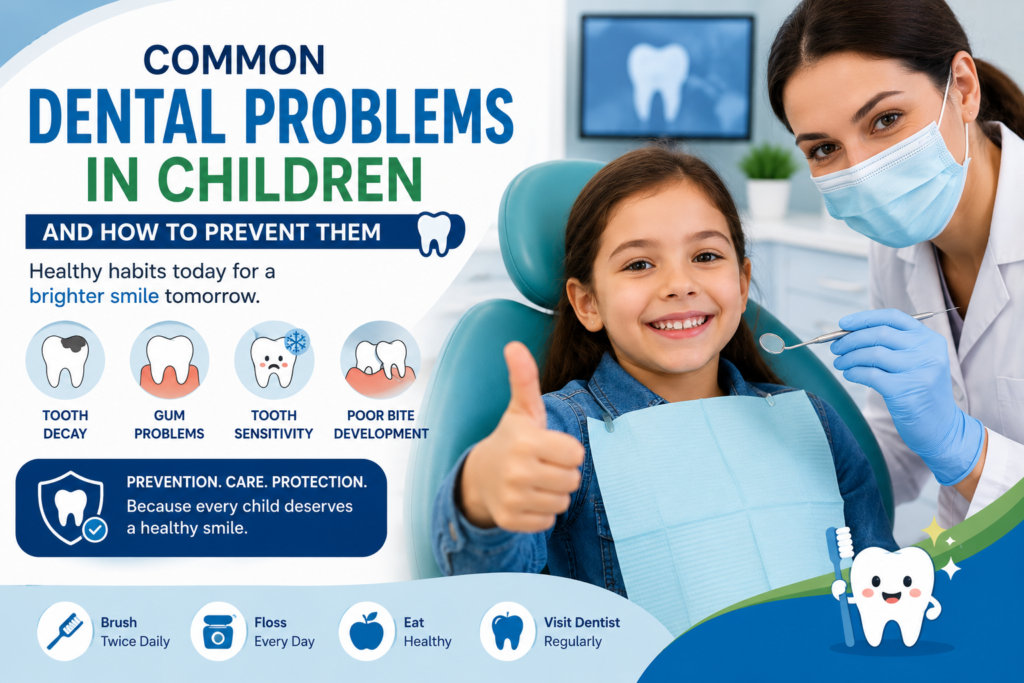
Common Dental Problems in Children and How to Prevent Them

PEDIATRIC DENTAL CARE Common Dental Problems in Children A child’s oral health plays a vital role in their overall growth and development. Healthy teeth help children eat, speak, and smile with confidence. Understanding common childhood dental problems allows parents to take early action and protect their child’s smile for years to come. 01 Why Children’s Dental Health Matters Primary (baby) teeth are essential for proper chewing, speech development, jaw growth, and guiding permanent teeth into their correct positions. Healthy baby teeth build the foundation for healthy permanent teeth. 02 Tooth Decay (Cavities) Tooth decay is one of the most common dental problems in children. Sugary snacks, chocolates, juices, and soft drinks allow bacteria to produce acids that damage tooth enamel. Frequent sugary snacks Poor brushing habits Sticky sweets Inadequate fluoride exposure Brushing twice daily and limiting sugary foods greatly reduces cavity risk. 03 Gum Problems Plaque build-up can cause swollen, red, or bleeding gums in children. Early gum inflammation can usually be treated through better oral hygiene and professional dental cleaning. Bleeding while brushing Swollen gums Redness Bad breath 04 Thumb Sucking Thumb sucking is common in young children, but continuing beyond four or five years of age may affect jaw growth and tooth alignment. Early guidance helps prevent bite and alignment problems. 05 Tooth Sensitivity Some children experience pain when eating hot, cold, or sweet foods. Sensitivity may indicate enamel wear, cavities, or small cracks. Cold foods cause discomfort Sweet foods trigger pain Possible enamel wear Hidden cavities 06 Early Loss of Baby Teeth Losing baby teeth too early due to injury or decay may affect the proper eruption and alignment of permanent teeth. Dentists may recommend space maintainers when necessary. 07 Prevention Is the Best Treatment Most childhood dental problems can be prevented with healthy habits, regular dental check-ups, and proper oral hygiene from an early age. Brush twice daily Floss regularly Healthy diet Routine dental visits Prevention today leads to healthier smiles tomorrow. PARENT’S GUIDE Helping Your Child Maintain a Healthy Smile Early dental care, healthy daily habits, and regular dental visits play an important role in protecting your child’s oral health and preventing future dental problems. 01 Common Signs Parents Should Watch For Children may not always explain dental discomfort clearly. Parents should look for these warning signs: Tooth pain while eating Bleeding gums during brushing White or dark spots on teeth Persistent bad breath Difficulty chewing Swollen gums or cheeks Sensitivity to hot or cold foods Early dental visits can prevent these problems from becoming more serious. 02 How Parents Can Help Prevent Dental Problems Healthy oral hygiene habits developed during childhood can protect teeth for a lifetime. Brush twice daily with fluoride toothpaste. Floss once teeth begin touching. Limit sugary foods and drinks. Drink plenty of water. Eat calcium and vitamin-rich foods. Visit the dentist every six months. Small daily habits make a big difference. 03 Why Regular Dental Check-Ups Are Important Routine dental visits help detect problems early before they become painful or require extensive treatment. Dentists monitor oral development, examine teeth and gums, and provide preventive treatments while guiding parents on proper oral care. 04 Why Choose Tooth Vitals? At Tooth Vitals Multispeciality Dental Clinic, we provide gentle, child-friendly dental care in a comfortable environment where every child feels relaxed. Friendly Pediatric Care Preventive Dental Check-ups Cavity Treatment Oral Hygiene Guidance Modern Dental Technology Conclusion Children’s dental health requires consistent care from an early age. Most dental problems can be prevented through healthy eating habits, good oral hygiene, and regular dental check-ups. By recognizing warning signs early and seeking professional dental care, parents can help their children enjoy healthy teeth, strong gums, and confident smiles for life. Frequently Asked Questions At what age should my child first visit a dentist? Children should visit a dentist within six months after the first tooth appears or by their first birthday. How often should children visit the dentist? Every six months is recommended for routine examinations and preventive care. What causes cavities in children? Sugary foods, poor brushing habits, and plaque buildup are the most common causes of childhood cavities. Is thumb sucking harmful? Thumb sucking is normal in infancy but may affect tooth alignment and jaw development if it continues after age five. How can I encourage my child to brush regularly? Use child-friendly toothbrushes, fluoride toothpaste, reward charts, and brush together as a family.

Uncategorized

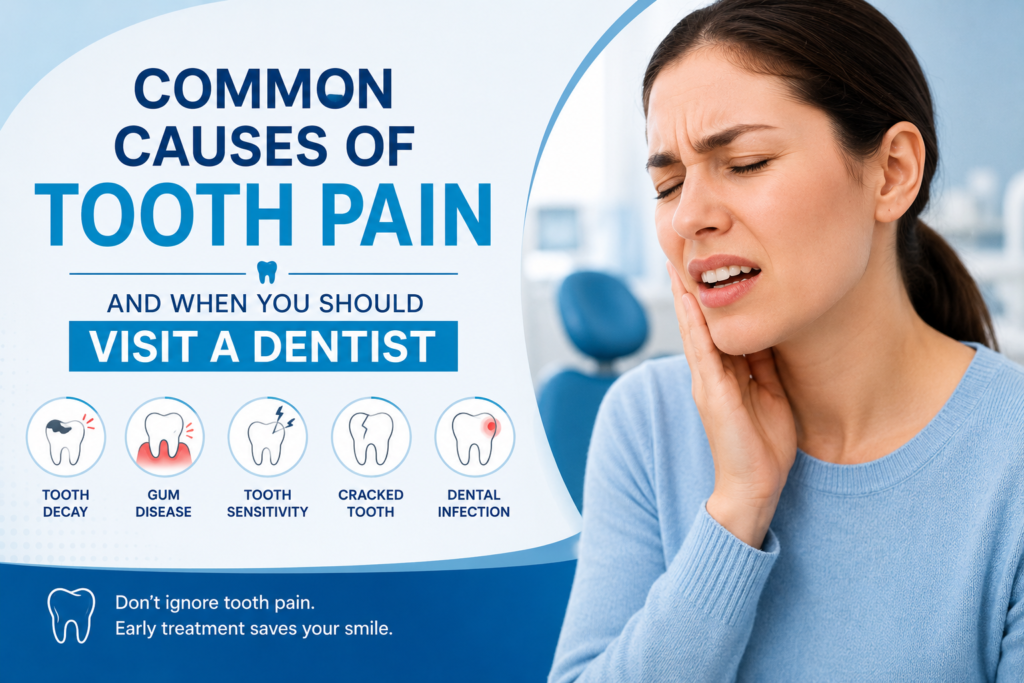
Common Causes of Tooth Pain and When You Should Visit a Dentist

TOOTH PAIN AWARENESS Common Causes of Tooth Pain Tooth pain is one of the most common dental problems people experience. While some toothaches may disappear after a short time, persistent or recurring pain should never be ignored. Early diagnosis helps relieve discomfort and protects your natural teeth. Tooth pain can range from mild discomfort to severe pain that affects your daily life. It is often your body’s way of indicating that something is wrong and requires professional attention. Understanding the possible causes of tooth pain allows you to seek treatment before the condition becomes more serious. Early care not only relieves pain but also prevents complex dental procedures in the future. 01 Why Tooth Pain Should Never Be Ignored Many people rely on painkillers or home remedies hoping the discomfort will disappear. Unfortunately, most dental conditions do not heal without professional treatment. Ignoring tooth pain can lead to infection, gum damage, or even tooth loss. Seeking dental care early gives your dentist the best chance to preserve your natural tooth. Early treatment prevents serious complications. 02 Tooth Decay Tooth decay is one of the leading causes of tooth pain. Bacteria produce acids that damage enamel and gradually create cavities. When decay reaches the inner layers of the tooth, it causes pain and sensitivity. Early cavities can often be treated with fillings, while advanced cases may require Root Canal Treatment. 03 Gum Disease Plaque buildup around the gum line can cause inflammation and infection. Early signs include bleeding while brushing, swollen gums, and tenderness. If left untreated, gums may recede and expose the tooth roots, increasing sensitivity. Professional cleaning and regular dental check-ups help prevent permanent damage. 04 Tooth Sensitivity Sharp pain while drinking hot coffee or eating ice cream may indicate tooth sensitivity. Worn enamel, exposed roots, cavities, and small cracks can all contribute to sensitivity. A dental examination helps identify the underlying cause. 05 Cracked or Broken Teeth Accidents, sports injuries, or biting hard foods can crack a tooth. Even a small crack may expose the inner layers of the tooth. Prompt treatment prevents bacteria from entering the tooth and reduces the risk of infection. 06 Dental Infection When bacteria reach the tooth pulp, an infection develops that often causes severe, throbbing pain spreading to the jaw, ear, or face. Some patients also experience swelling, fever, or a bad taste in the mouth. Root Canal Treatment is often the best solution to save the natural tooth. 07 Wisdom Tooth Problems Wisdom teeth sometimes become impacted or fail to erupt properly, causing pain, swelling, jaw stiffness, and difficulty chewing. A professional dental examination helps determine whether the wisdom tooth should be monitored or removed before complications develop. Persistent wisdom tooth pain should always be evaluated by a dentist. Signs That You Should Visit a Dentist Immediately While occasional discomfort may not always indicate a serious problem, persistent tooth pain should never be ignored. Early diagnosis helps prevent infection, protects your natural teeth, and reduces the need for extensive dental treatment. Warning Signs ✓ Tooth pain lasting more than two days ✓ Swelling around the gums or face ✓ Severe hot or cold sensitivity ✓ Pain while chewing ✓ Bleeding gums ✓ Pus or infection ✓ Cracked or broken tooth 🦷 Advanced Dental Care How Tooth Vitals Can Help Our experienced dental team focuses on identifying the root cause of tooth pain using advanced diagnostic technology and modern treatment methods. Whether your discomfort is caused by decay, infection, gum disease, or injury, we provide personalised treatment plans that restore your oral health comfortably and effectively. Tips to Prevent Tooth Pain 🪥 Brush Twice Daily 🦷 Floss Every Day 🥗 Eat Healthy Foods 💧 Drink Plenty of Water 🍭 Reduce Sugary Foods 📅 Dental Check-up Every 6 Months Conclusion Tooth pain is often an early warning sign that your oral health requires attention. Seeking professional care at the right time helps preserve your natural teeth and prevents serious complications. At Tooth Vitals Multispeciality Dental Clinic, we are committed to providing advanced, patient-focused dental care that restores healthy smiles with comfortable and personalised treatment. Frequently Asked Questions What is the most common cause of tooth pain? Tooth decay is one of the leading causes of tooth pain because cavities allow bacteria to reach the inner layers of the tooth. Can tooth pain go away without treatment? Sometimes the pain reduces temporarily, but the underlying problem usually remains and requires professional care. When should I visit a dentist? If pain lasts longer than two days or is accompanied by swelling, fever, or difficulty chewing, seek dental care immediately. Can gum disease cause tooth pain? Yes. Advanced gum disease can cause bleeding, sensitivity, pain, and loose teeth. How can I prevent tooth pain? Brush twice daily, floss regularly, eat a balanced diet, limit sugary foods, and visit your dentist every six months.

Uncategorized

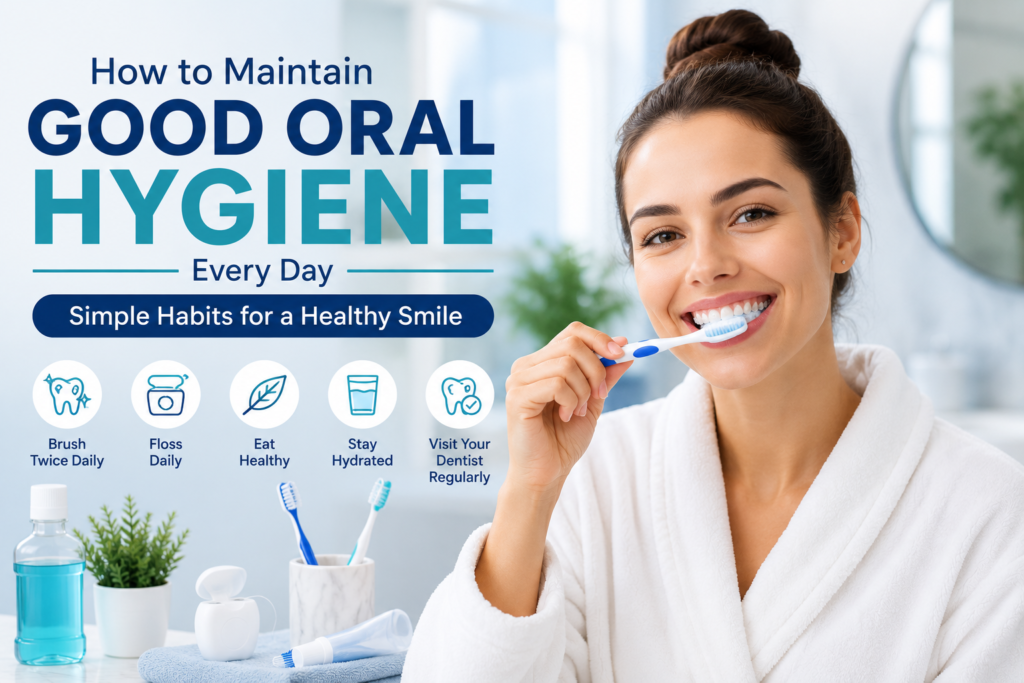
How to Maintain Good Oral Hygiene Every Day: Simple Habits for a Healthy Smile

Simple Daily Habits for a Lifetime of Healthy Smiles A healthy smile starts with good oral hygiene. While modern dental treatments can restore damaged teeth and improve your smile, preventing dental problems is always the better approach. Many common issues, such as cavities, gum disease, and bad breath, can be avoided by following a few simple oral care habits every day. At Tooth Vitals Multispeciality Dental Clinic, we believe that educating patients about preventive dental care is just as important as providing advanced treatments. A few minutes of proper oral care each day can help you maintain strong teeth and healthy gums for years to come. Benefits of Good Oral Hygiene ✓ Helps prevent cavities and tooth decay ✓ Keeps gums healthy and strong ✓ Reduces bad breath naturally ✓ Protects your natural teeth for years ✓ Supports overall health and confidence ✓ Lowers the need for major dental treatments Why Prevention Matters Your mouth naturally contains bacteria that combine with food particles to form plaque. If plaque is not removed regularly, it can harden into tartar, increasing the risk of tooth decay and gum disease. Good oral hygiene not only protects your teeth but also contributes to your overall health and confidence. Maintaining a clean mouth every day helps preserve your natural smile for life. ✓ Removes plaque before it becomes tartar ✓ Reduces the risk of gum disease ✓ Protects tooth enamel from damage ✓ Helps maintain fresh breath every day DAILY ORAL CARE GUIDE Healthy teeth and gums require consistent care every day. Follow these simple oral hygiene practices to reduce the risk of cavities, gum disease, and other common dental problems while maintaining a confident smile. 01 Brush Your Teeth the Right Way Brushing twice a day is one of the most effective ways to maintain oral health. However, the technique you use is just as important as the frequency. Use a soft-bristled toothbrush and fluoride toothpaste, brushing gently for at least two minutes. Clean every surface of your teeth, including the back teeth where plaque often accumulates. Replace your toothbrush every three to four months to ensure effective cleaning. 02 Don’t Forget to Floss Many people brush regularly but skip flossing. Unfortunately, a toothbrush cannot reach the spaces between teeth where food particles and plaque collect. Daily flossing removes trapped debris, helps prevent cavities, keeps gums healthy, and reduces bad breath caused by food particles. 03 Eat Foods That Support Healthy Teeth Your diet has a direct impact on your oral health. Foods rich in calcium, vitamins, and minerals strengthen teeth and gums, while excessive sugar increases the risk of tooth decay. Include fresh fruits, vegetables, dairy products, and plenty of water in your daily routine. Limiting sugary snacks and carbonated drinks can significantly reduce the chances of cavities. 04 Stay Hydrated Throughout the Day Water helps wash away food particles and bacteria while supporting healthy saliva production. Saliva naturally neutralizes acids, protects tooth enamel, and keeps your mouth healthy throughout the day. 05 Visit Your Dentist Regularly Even with excellent oral hygiene at home, routine dental check-ups remain essential. Professional examinations help identify problems before they become serious. Regular dental visits also include professional cleaning to remove plaque and tartar that cannot be removed through brushing alone, helping you maintain a healthy smile for years to come. EARLY DETECTION MATTERS Signs You Should Schedule a Dental Visit Sometimes your mouth gives early warning signs that shouldn’t be ignored. If you notice any of the following symptoms, it’s important to consult a dental professional before the problem becomes more serious. Early diagnosis often makes treatment simpler, more comfortable, and helps preserve your natural teeth while preventing future complications. Warning Signs ✓ Persistent tooth pain ✓ Bleeding or swollen gums ✓ Bad breath that doesn’t improve ✓ Sensitivity to hot or cold foods ✓ Loose teeth ✓ Mouth sores that do not heal Common Mistakes to Avoid Many people unknowingly develop habits that can affect their oral health. Brushing too hard, using an old toothbrush, skipping flossing, or delaying dental visits may increase the risk of dental problems. Healthy Habit Tip: Making small improvements to your daily routine can have a significant impact on maintaining healthy teeth and gums. Consistent oral hygiene, using the right brushing technique, replacing your toothbrush regularly, and visiting your dentist for routine check-ups are simple steps that help protect your smile for years to come. Conclusion Maintaining good oral hygiene doesn’t require complicated routines. Simple daily habits such as brushing properly, flossing regularly, eating a balanced diet, and visiting your dentist for routine check-ups can help prevent many common dental problems. Healthy teeth and gums contribute to better overall health, improved confidence, and a brighter smile. By taking preventive steps today, you can reduce the need for extensive dental treatments in the future. At Tooth Vitals Multispeciality Dental Clinic, we are committed to helping every patient achieve long-lasting oral health through preventive care, patient education, and advanced dental treatments. Healthy Smile Checklist ✓ Brush your teeth twice every day using fluoride toothpaste. ✓ Floss daily to remove plaque between teeth. ✓ Eat a balanced diet and limit sugary foods. ✓ Visit your dentist regularly for preventive check-ups. ✓ Protect your smile with consistent daily oral care. Frequently Asked Questions 1. How many times should I brush my teeth each day? Dentists recommend brushing twice a day using fluoride toothpaste for at least two minutes each time. 2. Is flossing really necessary? Yes. Flossing removes plaque and food particles from between the teeth, helping prevent cavities and gum disease. 3. How often should I replace my toothbrush? A toothbrush should generally be replaced every three to four months or sooner if the bristles become worn. 4. How often should I visit the dentist? Most people should schedule a dental check-up every six months. Your dentist may recommend more frequent visits based on your oral health. 5. Can poor oral hygiene affect overall health? Yes. Poor oral hygiene has been linked to

We specialize in dental implants, root canal treatment, braces, smile designing, gum treatment and pediatric dentistry ensuring personalized care for every patient.

Contact

© 2026, Digimate IT Services. All Right Reserved

Scroll to Top