

Common Signs You Need to Visit a Dentist Before It Becomes Serious
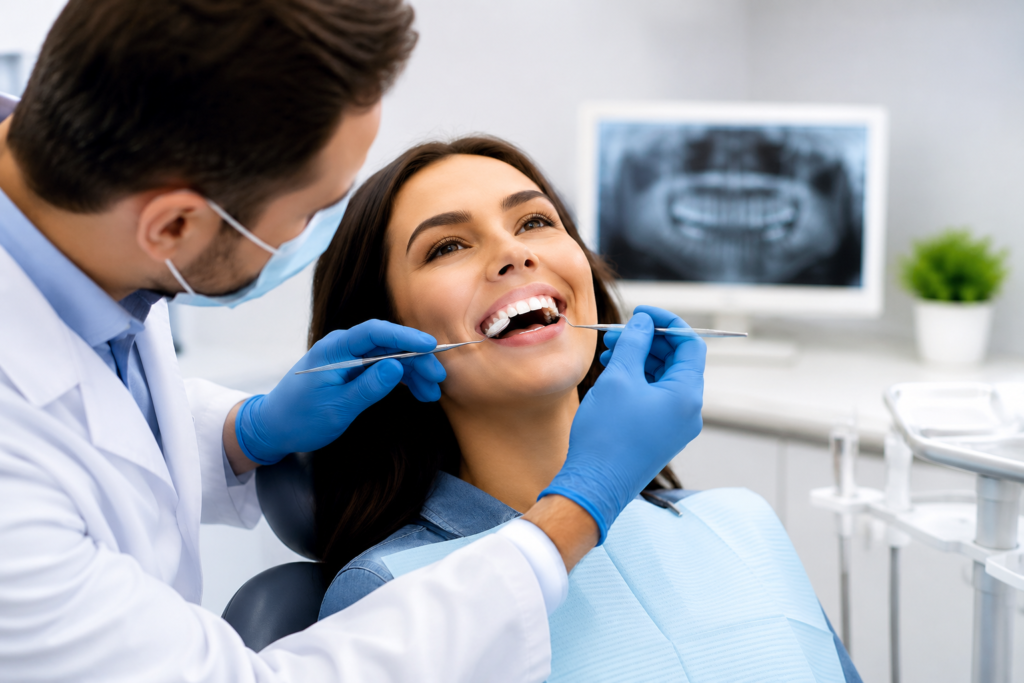
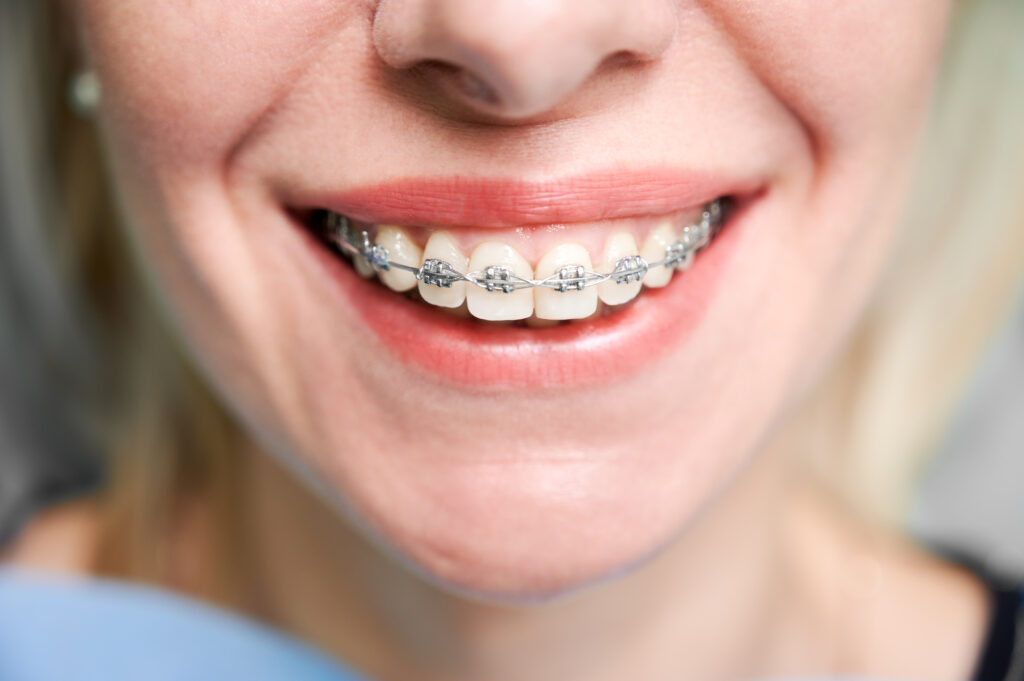
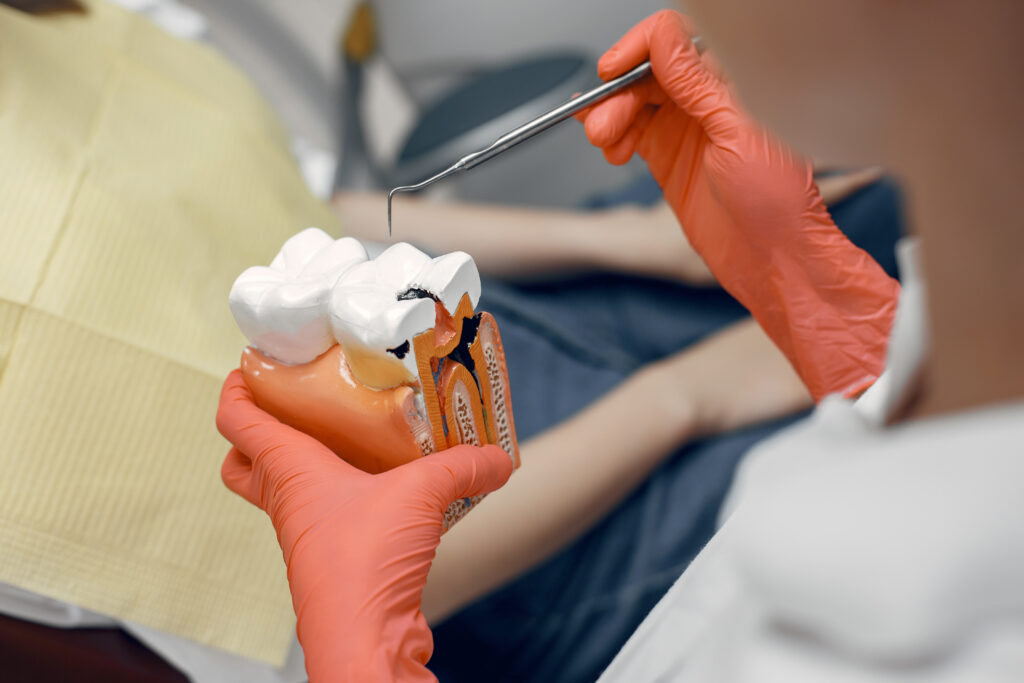
DON’T IGNORE THE SIGNS 7 Warning Signs You Should Visit a Dentist Many people postpone dental visits until they experience severe pain or discomfort. Unfortunately, by the time symptoms become difficult to ignore, the dental issue may already require extensive treatment. Recognizing these warning signs early can help protect your oral health and prevent more complex treatments in the future. 01 Persistent Tooth Pain Tooth pain is one of the most common reasons people visit a dentist. Persistent discomfort should never be ignored as it may indicate: Tooth Decay Dental Infection Cracked Teeth Gum Disease Impacted Teeth Early treatment often prevents more extensive procedures later. 02 Bleeding or Swollen Gums Healthy gums should not bleed during brushing or flossing. Bleeding, swelling, or tenderness may indicate early gum disease. Early intervention helps protect your gums and supporting bone structure. 03 Sensitivity to Hot & Cold Foods Ongoing sensitivity may be a sign of: Worn Enamel Tooth Decay Exposed Tooth Roots Cracked Teeth A dental examination can identify the cause before complications develop. 04 Persistent Bad Breath Bad breath that doesn’t improve with brushing or mouthwash may be linked to: Gum Disease Bacterial Build-Up Cavities Oral Infections 05 Loose or Shifting Teeth Adult teeth should remain stable and secure. Movement in your teeth or changes in your bite may indicate advanced gum disease or bone loss. 06 Difficulty Chewing or Biting Pain while chewing can be caused by: Cracked Teeth Tooth Infection Misalignment Jaw Problems Early diagnosis usually means simpler treatment. 07 Mouth Sores That Don’t Heal Occasional ulcers are common, but sores lasting longer than two weeks should be examined by a dental professional. Persistent lesions may require further evaluation. PREVENTION IS BETTER THAN TREATMENT Why Early Dental Care Matters Many dental conditions become more difficult and expensive to treat when left untreated. Early diagnosis often allows dentists to provide simpler, less invasive solutions while preserving natural teeth and supporting long-term oral health. ✓ Preventive care remains one of the most effective ways to maintain a healthy smile and avoid unnecessary discomfort. 🦷 Early Detection Identify cavities and oral health concerns before they become serious. ✨ Professional Cleaning Remove plaque and tartar buildup for healthier teeth and gums. 🛡️ Gum Health Monitoring Detect early signs of gum disease and prevent long-term damage. 💙 Long-Term Oral Health Maintain a strong, healthy smile while reducing future treatment costs. HEALTHY SMILES START WITH EARLY CARE Protect Your Smile Before Problems Become Serious Recognizing the early signs of dental problems can make a significant difference in maintaining healthy teeth and gums. Symptoms such as tooth pain, bleeding gums, sensitivity, bad breath, and loose teeth should never be ignored. Seeking professional dental care at the right time can prevent small issues from becoming serious complications. Regular dental check-ups, good oral hygiene, and prompt treatment are essential for protecting your smile and maintaining long-term oral health. Tooth Vitals Multispeciality Dental Clinic Helping patients achieve healthier smiles through preventive care, early diagnosis, and advanced dental treatments. Book Appointment COMMON QUESTIONS Frequently Asked Questions Answers to some of the most common dental care questions. How often should I visit a dentist? Most people should schedule a dental check-up every six months for preventive care and early detection of dental issues. Is bleeding while brushing normal? No. Bleeding gums can be an early sign of gum disease and should be evaluated by a dentist. Can tooth sensitivity indicate a serious problem? Yes. Persistent sensitivity may be caused by tooth decay, enamel wear, or exposed tooth roots. When should I seek treatment for a toothache? You should visit a dentist if tooth pain lasts more than a day or becomes severe. Can regular dental check-ups prevent major treatments? Yes. Early detection often helps prevent more complex and costly dental procedures later.