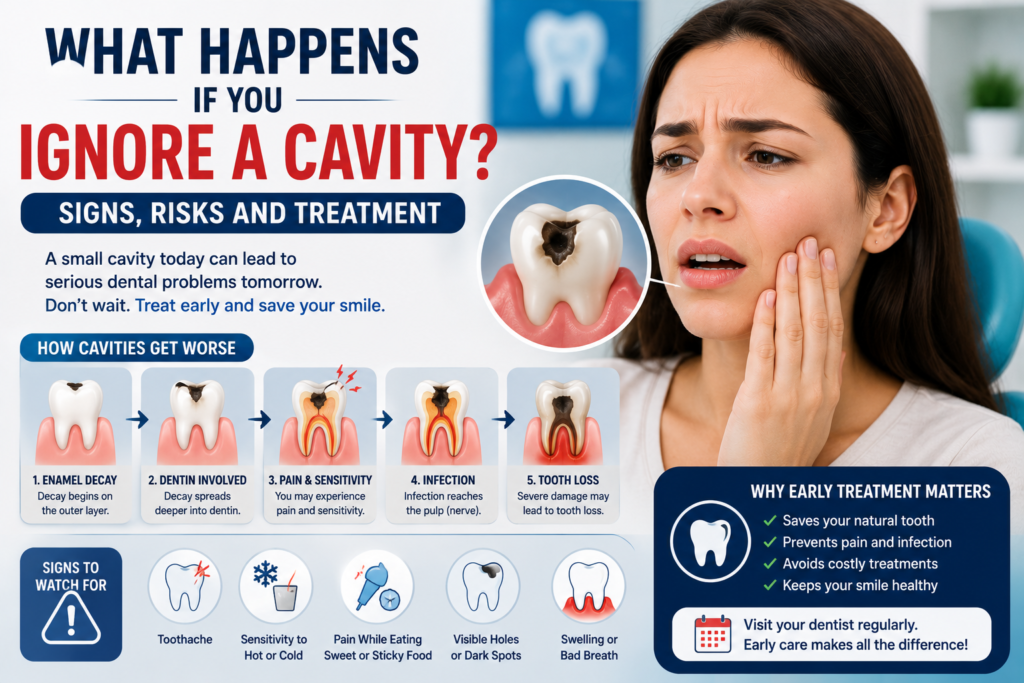
What Happens If You Ignore a Cavity? Signs, Risks and Treatment
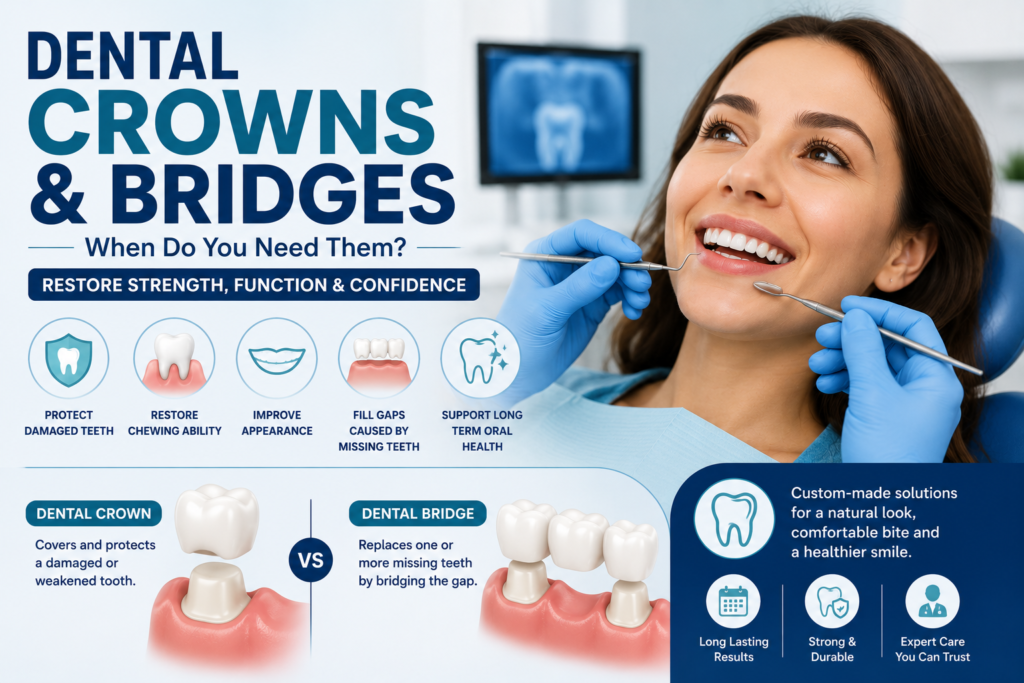
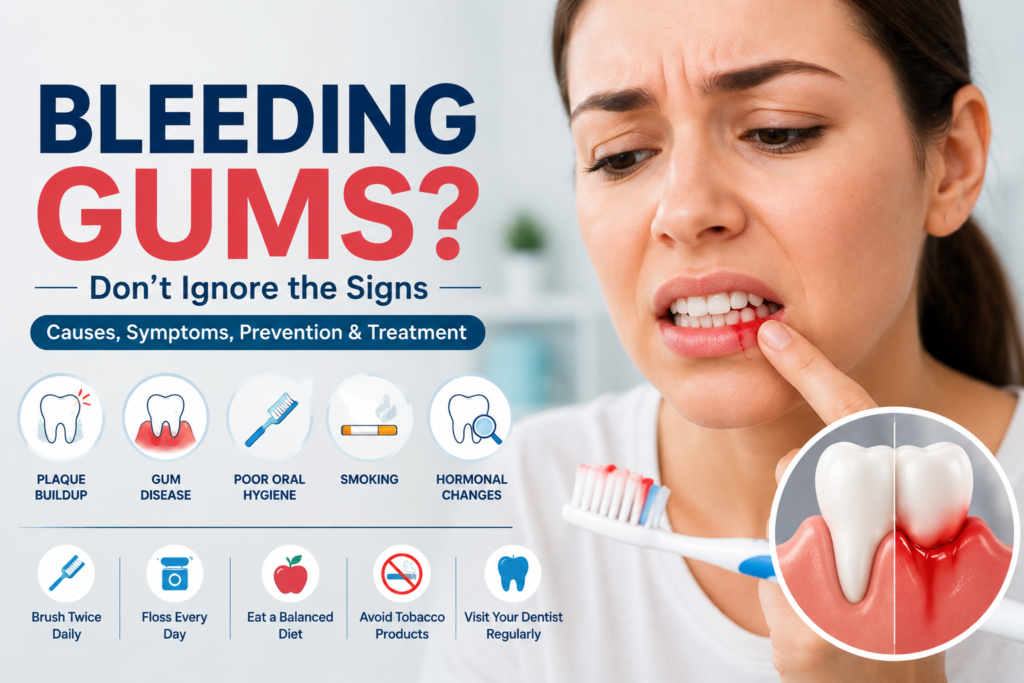
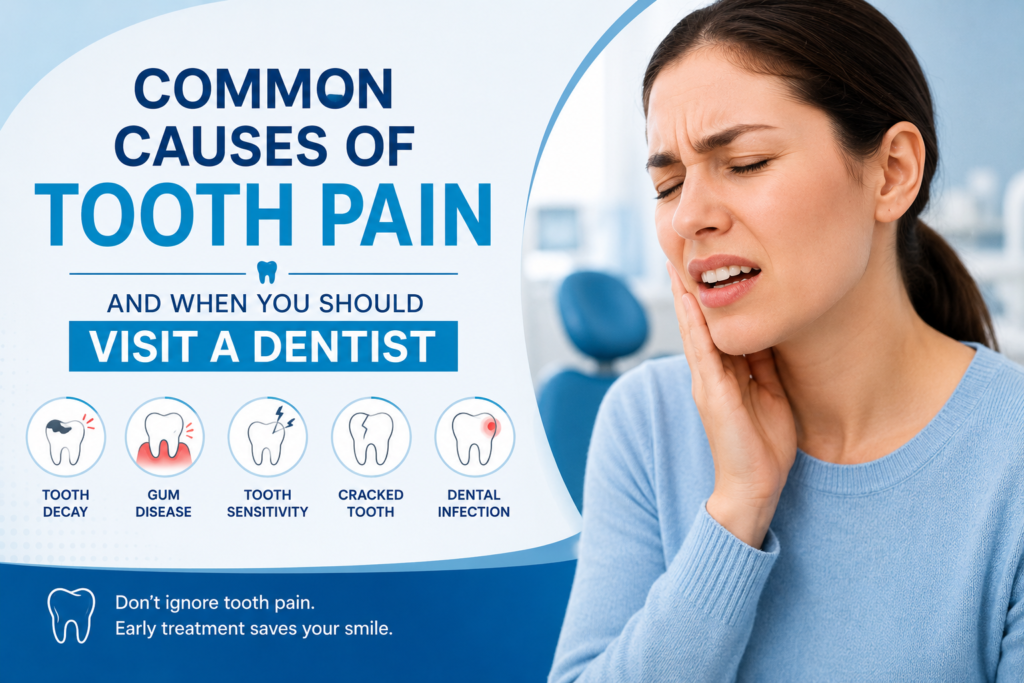
A small cavity may not seem like a serious dental problem, especially when it does not cause any pain. Many people notice a tiny dark spot on a tooth or occasional sensitivity and decide to wait until the problem becomes more noticeable. The problem is that tooth decay usually does not stop on its own. Without appropriate treatment, a small cavity can gradually become deeper and eventually affect the inner part of the tooth. Understanding what happens when a cavity is left untreated can help you make better decisions about your oral health. Early dental care is often simpler and can help protect more of your natural tooth structure. What Is a Dental Cavity? A cavity is a damaged area that develops in a tooth because of tooth decay. The process usually begins when bacteria in dental plaque interact with sugars from food and produce acids. These acids can gradually weaken the enamel, creating a small area of damage. In the beginning, a cavity may not cause any noticeable symptoms. This is one reason regular dental examinations are important. A dentist can sometimes identify early decay before it develops into a painful problem. Why early detection matters Cavities may develop without causing pain in their early stages. Regular dental check-ups can help identify tooth decay before it progresses and requires more extensive treatment. Why Can a Small Cavity Become a Bigger Problem? Tooth decay tends to progress when it is not treated. Once the protective enamel is damaged, decay can move deeper into the tooth. It may eventually reach the dentin, the softer layer underneath the enamel, and later affect the pulp where the nerves and blood vessels are located. As the decay progresses, you may begin to experience sensitivity or pain. At this stage, treatment may be more extensive than it would have been if the cavity had been detected earlier. Don’t wait for pain A tooth cavity does not always cause pain at the beginning. If you notice a dark spot, sensitivity, food getting stuck around a tooth, or any change in your tooth, consider having it examined by a dental professional. Early Signs of Tooth Decay A cavity does not always cause obvious pain at first. Paying attention to changes in your teeth can help you seek treatment sooner. Sensitivity when eating hot, cold, or sweet foods A visible white, brown, or dark spot on a tooth Food frequently getting stuck in one area Mild discomfort while chewing Toothache that comes and goes These symptoms can have different causes, so a professional examination is necessary to determine whether tooth decay is responsible. What Happens If a Cavity Is Left Untreated? When a cavity is ignored, the decay can continue spreading through the tooth. A problem that could initially be managed with a simple filling may eventually require more complex treatment. Once decay reaches the pulp, the tooth may become infected. This can cause intense or persistent pain, sensitivity, swelling, or discomfort around the affected tooth. In such cases, a Root Canal Treatment may be required to remove the infection and preserve the natural tooth. When Root Canal Treatment May Be Needed If tooth decay reaches the inner pulp and causes infection, Root Canal Treatment may be recommended to remove the infected tissue, clean the inside of the tooth, and help preserve the natural tooth. If the tooth becomes severely damaged and cannot be restored, extraction may sometimes be considered. This is why treating cavities early is generally preferable to waiting until symptoms become severe. Can a Cavity Cause Tooth Pain? Yes, but not every cavity causes pain immediately. Early decay can remain unnoticed for some time. As the cavity becomes deeper and approaches the inner layers of the tooth, sensitivity and pain become more likely. Pain while eating, especially when biting or consuming very hot, cold, or sweet foods, can be a sign that the tooth needs professional attention. Remember: The absence of pain does not necessarily mean that a tooth is healthy. Some cavities can develop without obvious symptoms in their early stages. Can a Cavity Lead to an Infection? An untreated cavity can eventually allow bacteria to reach the pulp inside the tooth. When this happens, an infection may develop. A dental infection can sometimes cause swelling around the tooth, facial swelling, a bad taste in the mouth, or fever. These symptoms should not be ignored. Prompt professional dental care is important when an infection is suspected. When to Seek Prompt Dental Care Swelling, severe or persistent pain, fever, or a bad taste in the mouth may be signs of infection and should be assessed by a dental professional. How Are Cavities Treated? The appropriate treatment depends on how far the tooth decay has progressed. If the cavity is detected early and enough healthy tooth structure remains, the dentist may remove the decayed portion and restore the tooth with a filling. Dental Filling When decay is limited and the inner pulp has not been affected, the decayed portion may be removed and the tooth restored with a filling. Root Canal Treatment For deeper decay that has reached the pulp, root canal treatment may be recommended to clean and seal the affected tooth. Dental Crown When a tooth has lost significant structure, a dental crown may provide additional protection after appropriate treatment. This is why there is no single treatment for every cavity. Your dentist needs to examine the tooth and determine the extent of the decay before recommending the right option. Why Early Cavity Treatment Is Better One of the biggest advantages of treating tooth decay early is that it can help preserve more of the natural tooth. Early treatment may also reduce discomfort and prevent the need for more complicated procedures. Instead of waiting for a toothache to become severe, regular dental check-ups can help identify cavities when they are still small and easier to manage. Early care can make a difference. Identifying and treating decay before it progresses may help preserve more